
Our International Travel Safety FAQ draws on more than 20 years of experience leading groups to Kenya. It reflects the practical questions, lessons, and best practices we’ve gathered along the way—and we continually update it as we learn more, so our travelers can prepare with confidence.
General Safety and Conduct
Q: How seriously does Other Paths take participant safety?
A: Safety is a core priority in all of our international service projects. We monitor conditions before and during each trip, follow U.S. State Department and CDC guidance, partner with trusted local organizations, and train our leaders on risk management. At the same time, international travel always involves some risk, so we ask participants to actively follow all safety instructions and look out for one another.
Q: What standards of personal conduct are expected on a trip?
A: Participants are expected to behave respectfully toward teammates, local partners, and communities, to follow local laws, and to comply with all written and verbal instructions from Other Paths staff and designated leaders. Harassment, discrimination, threats, or any behavior that puts others at risk is not tolerated and may result in removal from the program and being sent home at your own expense.
Q: What is your policy on alcohol, tobacco, and drugs?
A: We follow all applicable U.S. and host-country laws. Underage use of alcohol or tobacco, any use of illegal drugs, or misuse of prescription medications is prohibited. Violations can result in disciplinary action, including being sent home at your own expense.
Q: Can I be removed from the program for safety reasons?
A: Yes. Other Paths reserves the right to remove a participant from activities and arrange for their return home at their own expense if they willfully disregard safety instructions, engage in serious misconduct, or otherwise compromise the safety or integrity of the program.
Health, Vaccines, and Medications
Q: What vaccinations are required or recommended?
A: We require that routine childhood and adult vaccines (such as Tdap, MMR, polio, varicella, and hepatitis B) be up-to-date. Depending on the destination and route, vaccines such as yellow fever and typhoid may also be required or strongly recommended. Because guidelines change over time and vary by country, we ask each participant to consult with a travel medicine clinic or healthcare provider for personalized recommendations.
Q: Do I need proof of yellow fever vaccination for Kenya?
A: Proof of yellow fever vaccination (“yellow card”) may be required depending on current Kenyan regulations and your travel itinerary (especially transit through certain countries). Your travel clinic will advise you based on your specific routing and the latest requirements.
Q: Will Other Paths provide medications during the trip?
A: Our staff do not routinely dispense or administer medications, except as required for first aid or emergency response and in line with their training. You are responsible for bringing and managing your own prescription and over-the-counter medications, under the direction of your healthcare provider.
Q: What should I include in my personal medical kit?
A: At a minimum, plan to bring your prescription medications, basic first-aid supplies (bandages, moleskin, antibiotic ointment), pain relief, allergy medicine, insect repellent, sunscreen, hand sanitizer, and any items related to your vision or hearing (glasses, contacts, hearing aids, and batteries). A travel health provider can help you customize your kit based on your health needs and destination.
Q: Do I need malaria medication?
A: Many areas of Kenya and other regions where we serve have malaria risk. A travel medicine provider can determine if you need antimalarial medication, and which drug and schedule are appropriate for you. Even with medication, bite prevention (repellent, long sleeves, bed nets) remains essential.
Food, Water, and Illness Prevention
Q: Is the food safe to eat?
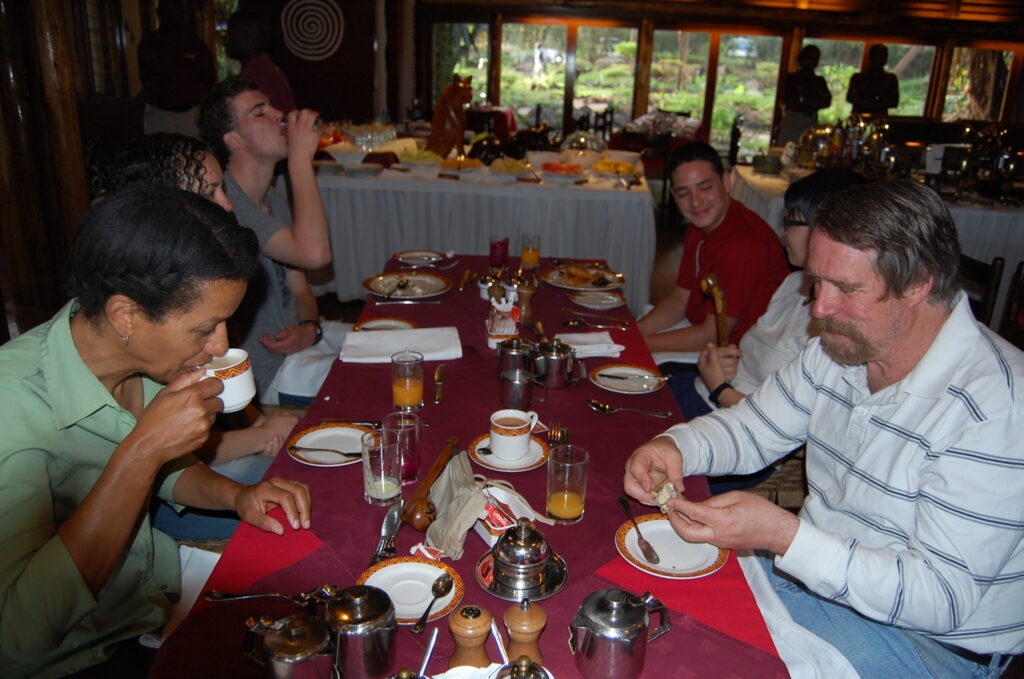
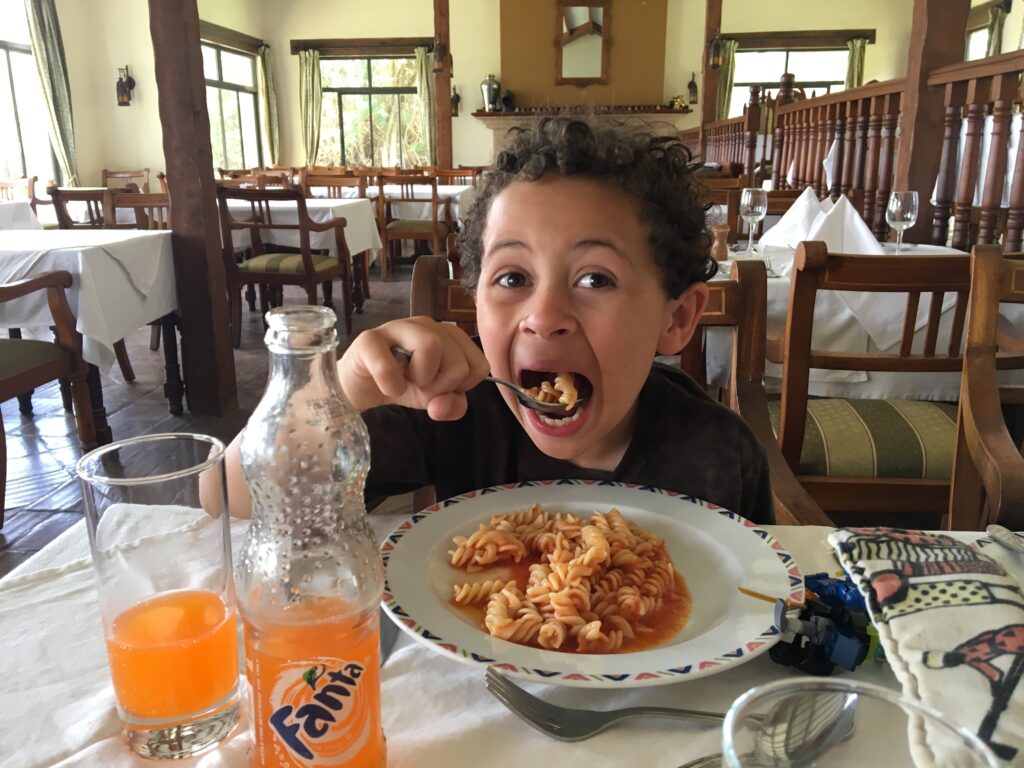
A: We work with trusted partners to access safe food sources, but some level of risk always exists. As a general rule, stick to food that is thoroughly cooked and served hot, and fruits that you can peel yourself. Avoid raw salads, uncooked vegetables, unpasteurized dairy, and food from street vendors unless specifically approved by a trip leader.
Q: Can I drink the tap water?
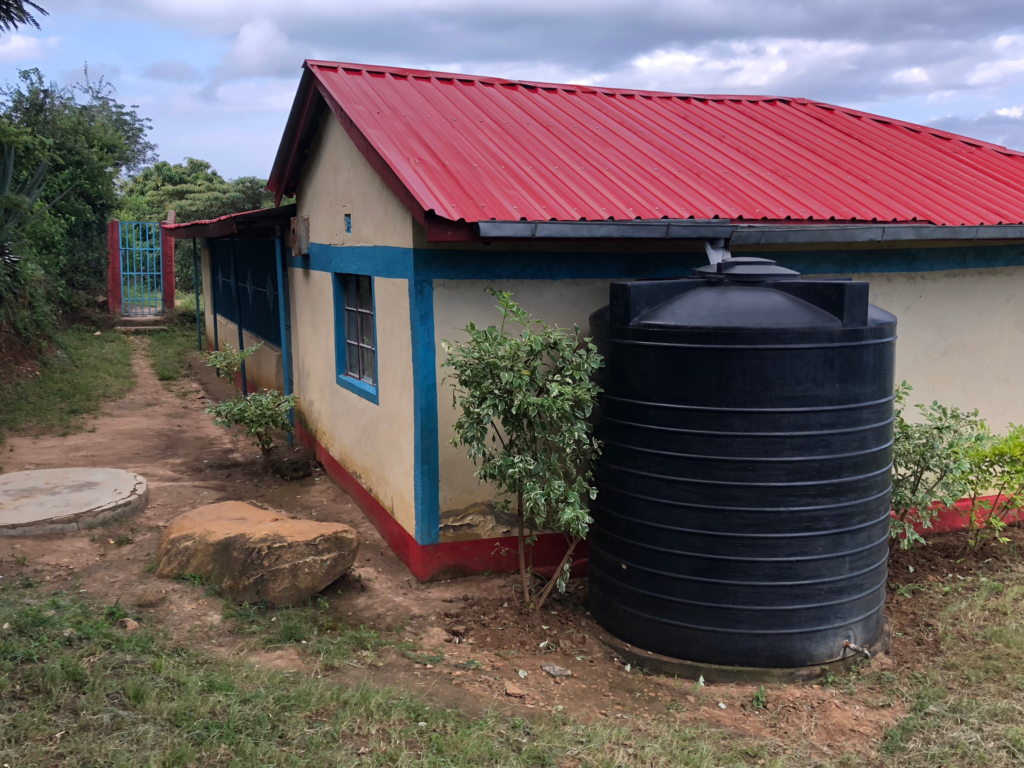
A: In most of our host communities, tap water is not considered safe to drink. Only drink bottled, boiled, or properly treated water. Use safe water for brushing your teeth and avoid getting tap water in your mouth while showering. Avoid ice unless you are sure it is made from treated water. Note that the Nairobi-based hotels and our safari lodge partners offer treated and bottled water in rooms and with meals.
Q: What about coffee, tea, and bottled drinks?
A: Hot drinks made with boiled water (like coffee and tea) and sealed, bottled beverages are generally safe. Do not refill bottles with untreated tap water. Always check that seals on bottled drinks are intact before opening.
Q: How can I reduce my chances of getting travelers’ diarrhea?
A: Careful attention to food and water safety is the best prevention: drink only safe water, avoid raw or undercooked foods, and practice good hand hygiene. Many travelers bring anti-diarrheal medication and/or antibiotics prescribed by a doctor for use if needed. Always follow medical advice from your provider.
Insect-Borne Diseases and Environmental Risks
Q: How do you protect volunteers from mosquito-borne illnesses like malaria, dengue, or yellow fever?
A: We use a layered approach: encouraging or requiring recommended vaccines (where available), requiring or strongly recommending antimalarial medication when appropriate, and emphasizing bite prevention. This includes using repellent (DEET or Picaridin), wearing long sleeves and pants—especially at dawn and dusk—and sleeping under bed nets in areas with mosquitoes.
Q: Is insect repellent with DEET safe?
A: DEET-based repellents are widely used and considered safe for most people when used as directed. We recommend testing the product on a small area of skin at home before travel, following label instructions, and avoiding contact with eyes, mouth, and broken skin. Those who cannot tolerate DEET can discuss alternatives such as Picaridin with their healthcare provider.
Q: Is it safe to swim in lakes and rivers?
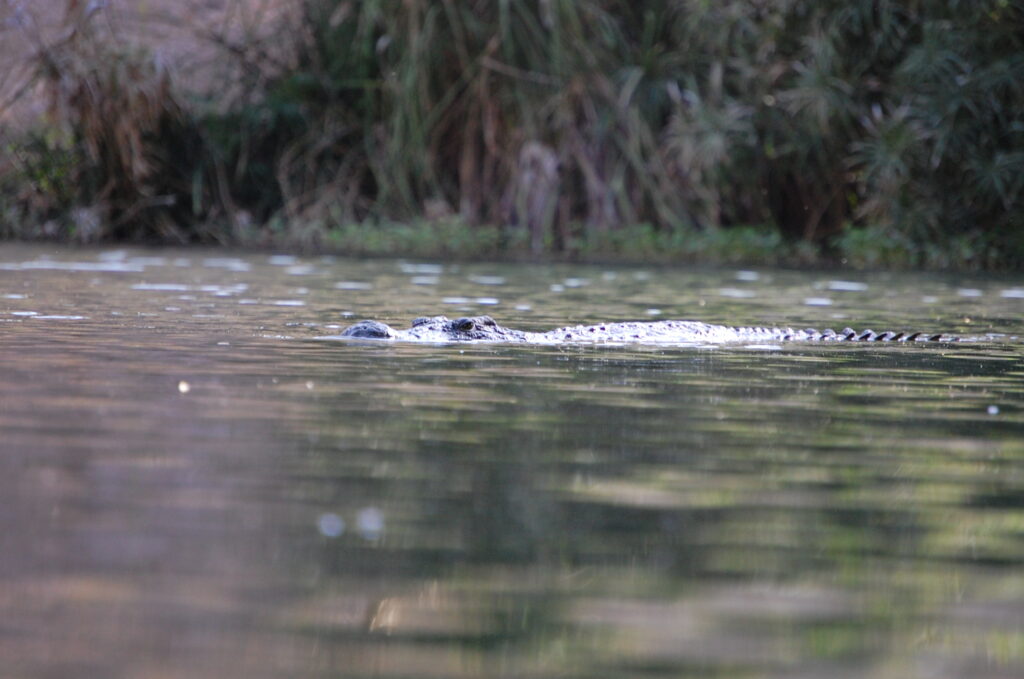
A: In many developing-country settings, freshwater lakes, rivers, and ponds can pose risks such as waterborne disease or dangerous wildlife, including hippos and crocodiles. We therefore prohibit unsupervised freshwater swimming. Opportunities to swim are usually limited to approved beaches or pools. Participants should never swim alone and must follow all posted signs and local guidance.
Q: How do you handle extreme weather or environmental hazards?
A: We monitor local conditions (including weather and security updates) before and during trips. Leaders may adjust itineraries, move activities indoors, or cancel certain activities if conditions are unsafe. Participants are expected to follow all instructions promptly when conditions change.
Security and Crime
Q: Is it safe to travel to Kenya (or other host countries)?
A: Many parts of Kenya and other partner countries are safe for visitors, particularly when traveling with experienced local partners and taking common-sense precautions. At the same time, no destination is risk-free. We monitor U.S. State Department travel advisories and local intelligence and will not proceed with trips if official guidance indicates that travel is unsafe for our group.
Q: What are your basic personal security guidelines?
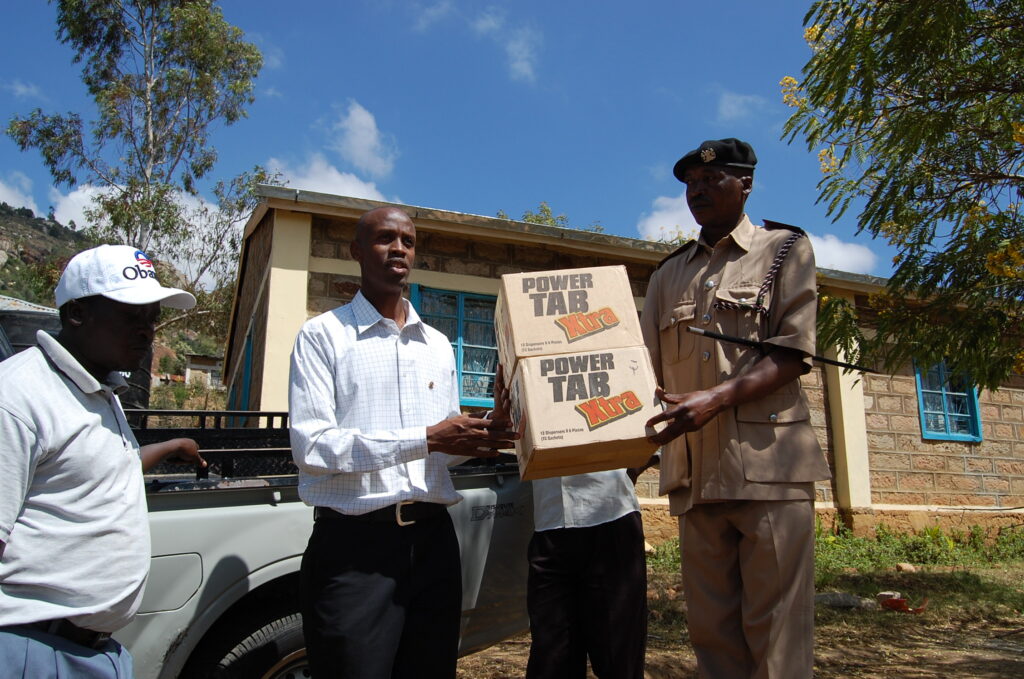
A: We advise volunteers to avoid going out alone at night, not to display expensive jewelry or electronics, to use money belts or concealed pouches for cash and documents, and to follow local guidance about areas to avoid. If confronted by a thief, we instruct participants not to resist; personal safety is more important than belongings.
Q: Will I need to carry my passport at all times?
A: Not necessarily. In many situations, it is safer to secure your passport in a locked location and carry a copy. You should carry your passport only when local law or program requirements make it necessary, or when instructed by an Other Paths trip leader.
Q: How does Other Paths stay informed about security issues?
A: We enroll our trips in the U.S. State Department’s Smart Traveler Enrollment Program (STEP) and monitor official travel alerts and advisories. We also stay in close contact with trusted local partners who can advise us on current conditions in-country.

Travel Logistics and Jet Lag
Q: How bad is the jet lag, and what can I do about it?
A: Traveling from North America to East Africa typically involves crossing multiple time zones, and many travelers feel tired or “off” for a few days. You can reduce jet lag by gradually adjusting your sleep schedule before departure, staying hydrated, minimizing alcohol and caffeine on long flights, and getting sunlight and activity soon after arrival.
Q: Will someone meet me at the airport?
A: In almost all cases, yes. Our trips are designed so that participants arrive within program windows and are met by staff or trusted partners. The exact logistics are detailed in your trip orientation materials.
Q: What happens if travel advisories change before or during the trip?
A: If official travel advisories or local conditions change significantly, we may modify the itinerary, postpone the trip, or, in rare cases, cancel or evacuate. Our decisions are guided by official U.S. and host-country advisories, partner input, and our own risk assessment processes.
Roles, Responsibilities, and Forms
Q: What is expected of me as a participant?
A: You are expected to:
- Review and understand the International Travel Safety Guide and trip materials distributed during travel preparations.
- Follow all safety instructions from Other Paths staff and local partners while on the Journey.
- Take responsibility for your personal health (including medications and self-care).
- Support a safe, respectful, and collaborative team environment.
Q: Do parents or guardians need to sign anything for minors?
A: Yes. For participants under 18 (or under the age of majority in their home jurisdiction), a parent or legal guardian must review the International Safety Guide and sign the Acknowledgement and Attestation form, confirming that they understand and consent to the risks and expectations of participation.
Q: Why do I need to sign the Acknowledgement and Attestation?
A: This form confirms that you have read and understood our safety guidelines and agree to follow them. It also confirms your understanding that disregarding these safety measures can result in harm and that Other Paths may remove you from the program and send you home at your own expense if you willfully ignore safety instructions.
Q: Who should I talk to if I have a safety concern on the trip?
A: Immediately notify your trip leader or any Other Paths staff member if you notice unsafe conditions, feel unwell, witness concerning behavior, or have any safety-related questions. We would always rather hear from you early and address an issue than discover a problem after it has escalated.
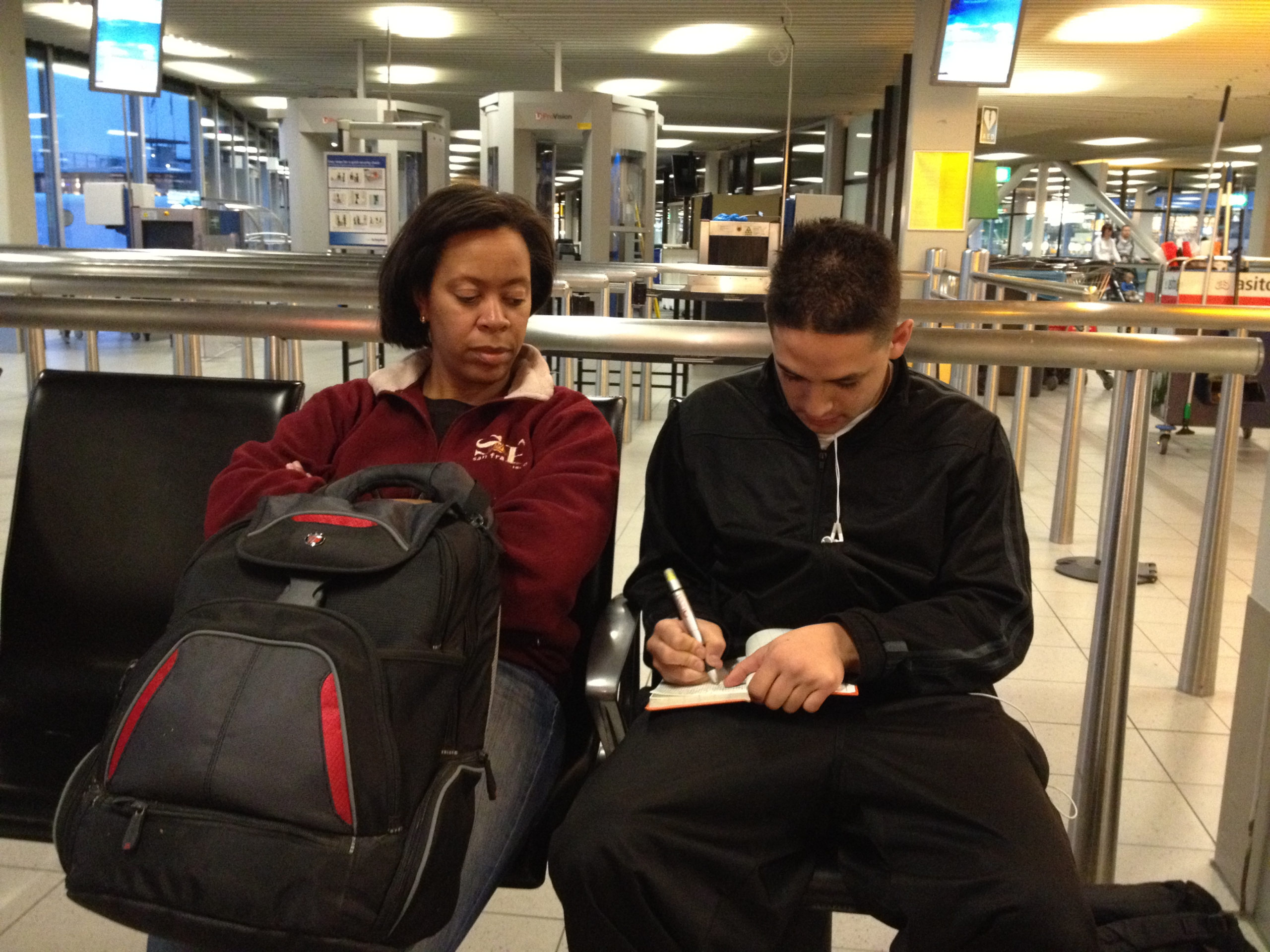
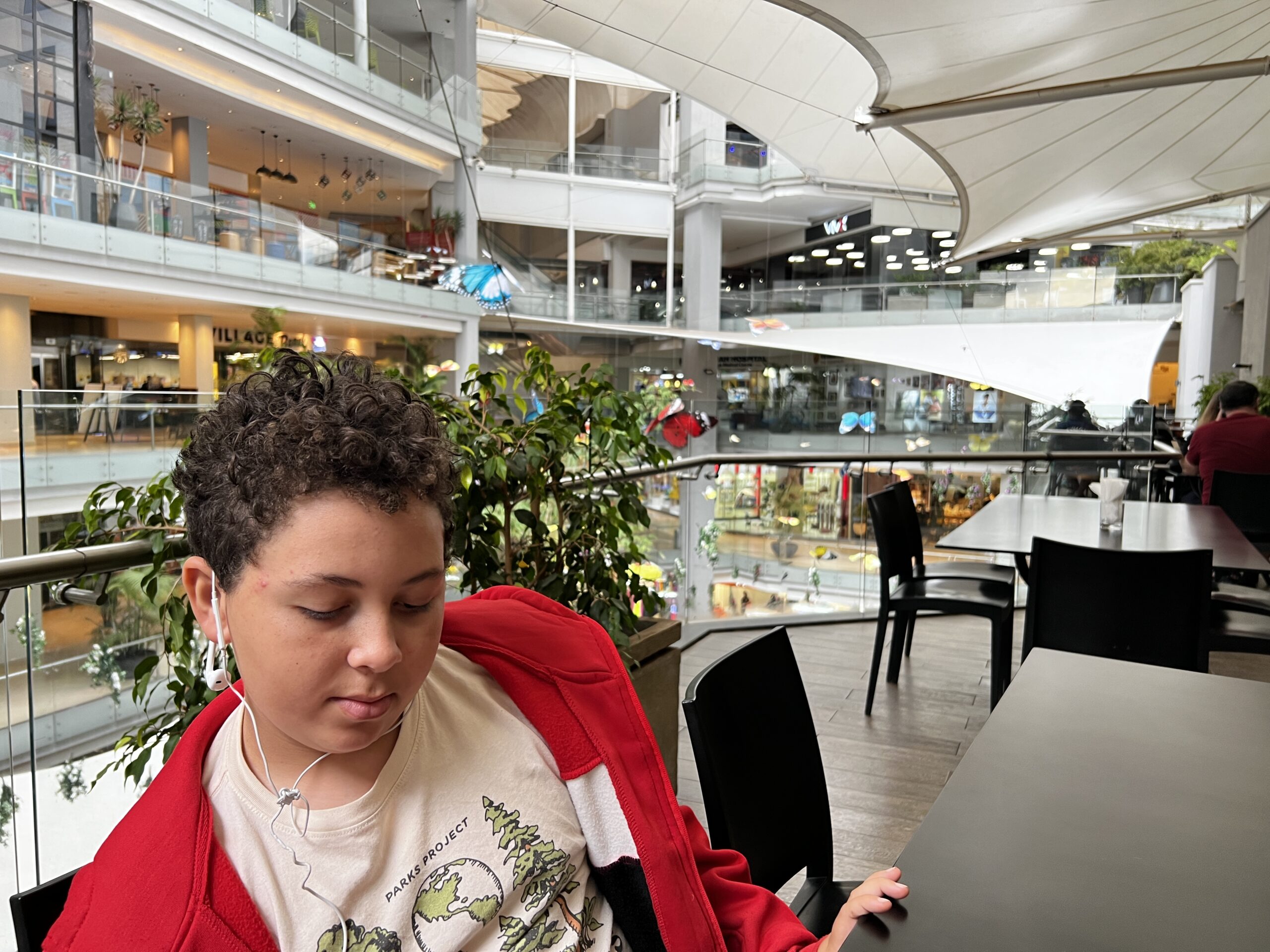
By taking these common-sense precautions and partnering with us in prioritizing safety, you’ll be free to focus on what matters most— building relationships, serving alongside our local partners, and having an amazing, memorable experience together.
Ready to travel with us or simply stay connected? Click below for upcoming opportunities, stories, and updates.